Why Your Sparkling Space Might Be Harming Your Health (and How to Fix It)
The Hidden Dangers Lurking in Your “Clean” Home
Subtitle: Why Your Sparkling Space Might Be Harming Your Health (and How to Fix It)
Keeping a tidy house feels like a win, but a home that looks spotless can still hide some sneaky health hazards. From harsh cleaning chemicals to invisible air pollutants, there are a few “cleaning habits” that might actually be working against you.
Below is a friendly, practical guide to spotting those hidden dangers and swapping them for safer, healthier habits.
Are You Over‑Cleaning Without Realizing It?
Over‑cleaning sounds like a good problem to have, but it can quietly affect your air quality, your skin, and even your lungs.
The Problem With “More Spray = More Clean”
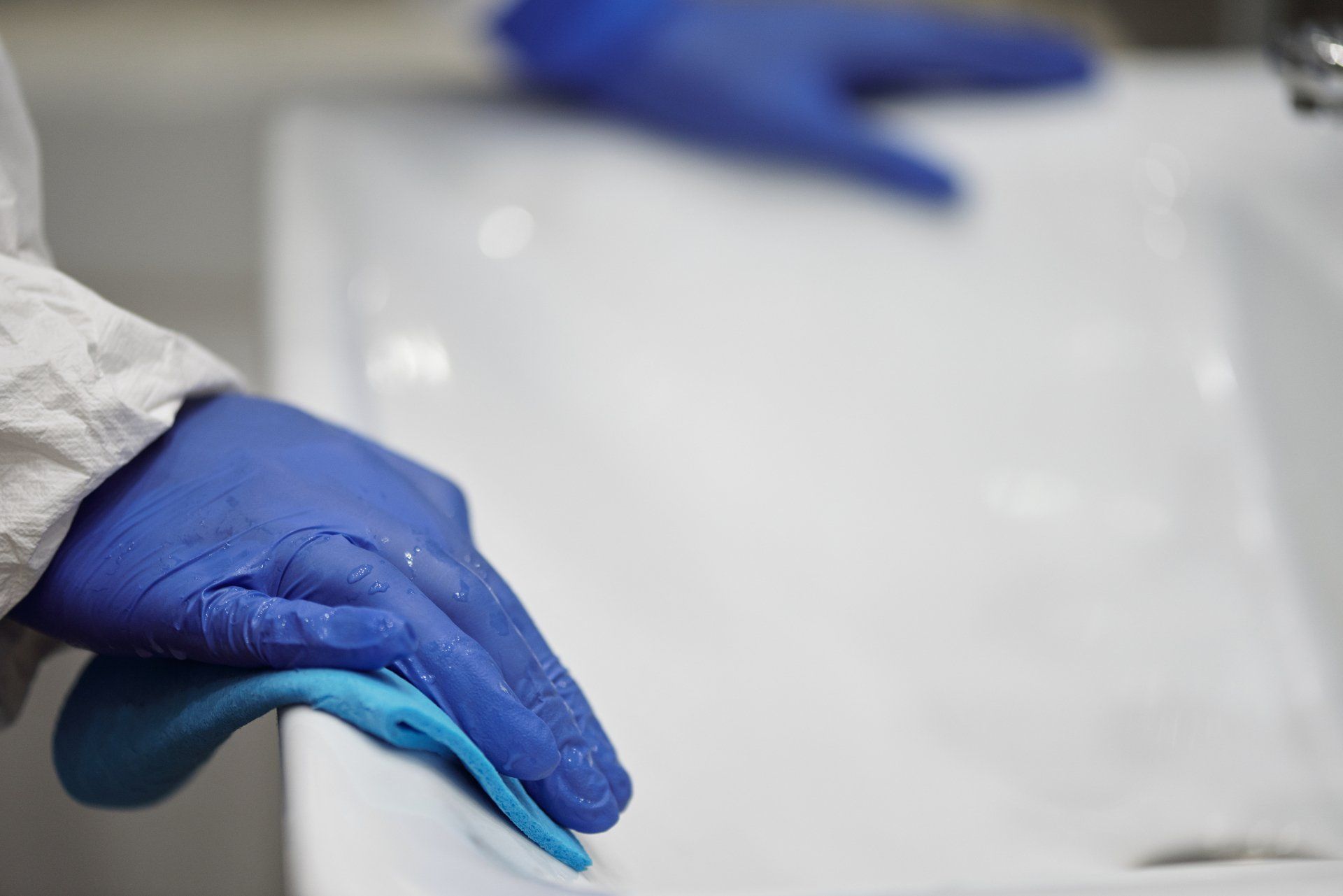
Many people assume that using extra disinfectant or cleaning more often automatically means a safer home. In reality, saturating surfaces and the air with strong products can create a layer of chemical residue on counters, floors, and fabrics. Those residues can irritate sensitive skin, aggravate asthma, and contribute to headaches and fatigue, especially in small, poorly ventilated spaces.
Long‑tail keyword ideas to weave in naturally:
· “health risks of overusing disinfectant sprays at home”
· “is my house too clean for a healthy immune system”
Hidden Hazard #1: Indoor Air That Looks Clean but Isn’t
Even if surfaces shine, the air in your home can be far dirtier than the air outside.
VOCs From Everyday Cleaning Products
Many common cleaners, air fresheners, and disinfectant sprays release volatile organic compounds (VOCs) into your indoor air. These gases can contribute to:
· Respiratory irritation such as coughing and wheezing
· Headaches and dizziness
· Worsening asthma and allergy symptoms
Over time, repeated exposure to VOCs can lead to chronic respiratory issues and may increase sensitivity to other irritants in your home.
Helpful long‑tail keyword: “how to reduce VOCs from household cleaning products naturally”
Poor Ventilation in “Clean” Rooms
Bathrooms, laundry rooms, and kitchens often look clean but may have the worst ventilation. Steam from showers, gas from stoves, and humidity from washers can trap pollutants and moisture, creating an ideal environment for mold, mildew, and dust mites. Turning on exhaust fans, cracking windows, and letting rooms air out after cleaning can dramatically improve indoor air quality.
Hidden Hazard #2: “Sanitized” Kitchens That Harbor Bacteria
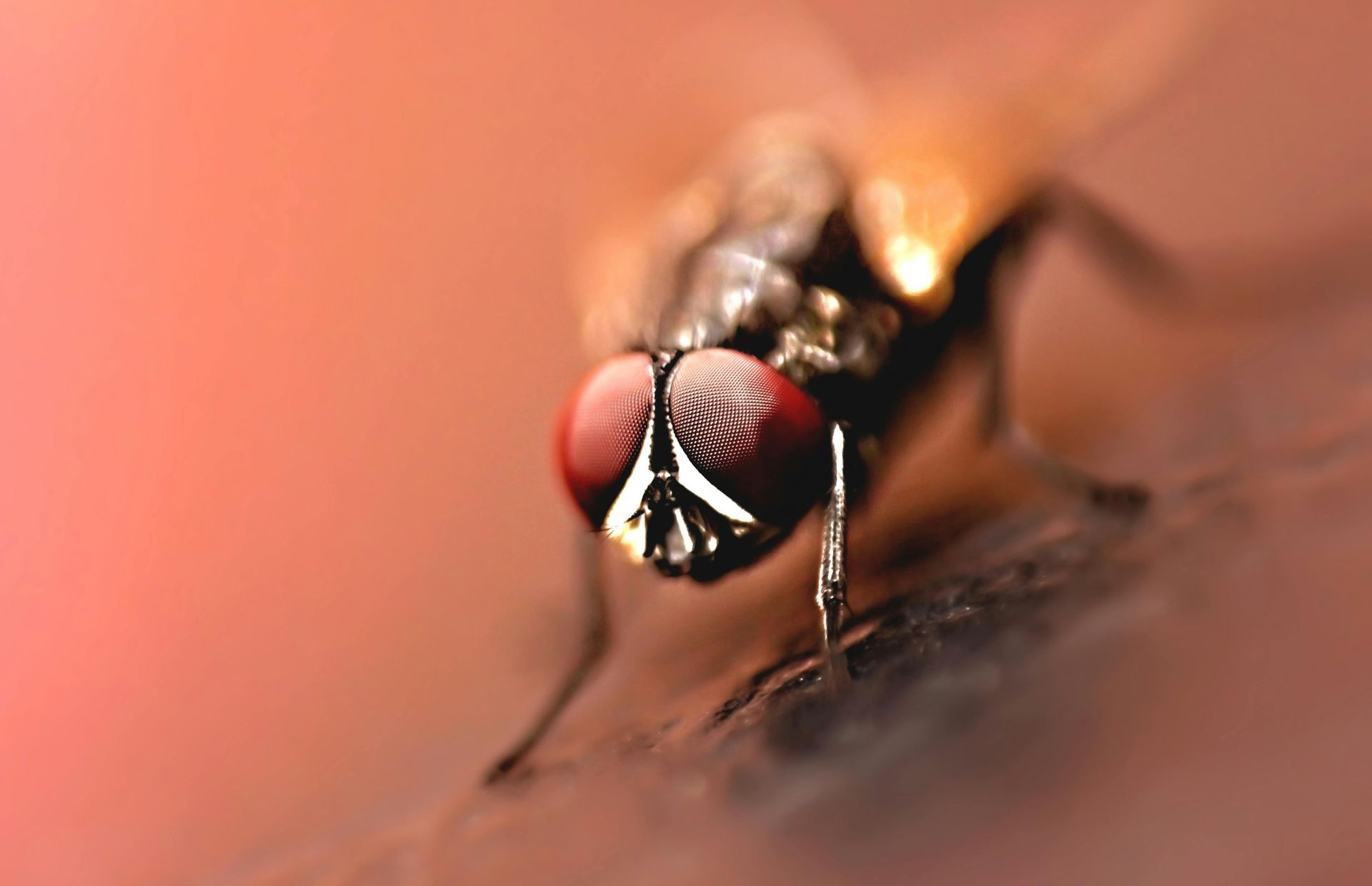
Your kitchen counters might smell like lemon or pine, but they can still be a hot spot for cross‑contamination and foodborne illness.[6]
Cross‑Contamination From Sponges and Cloths
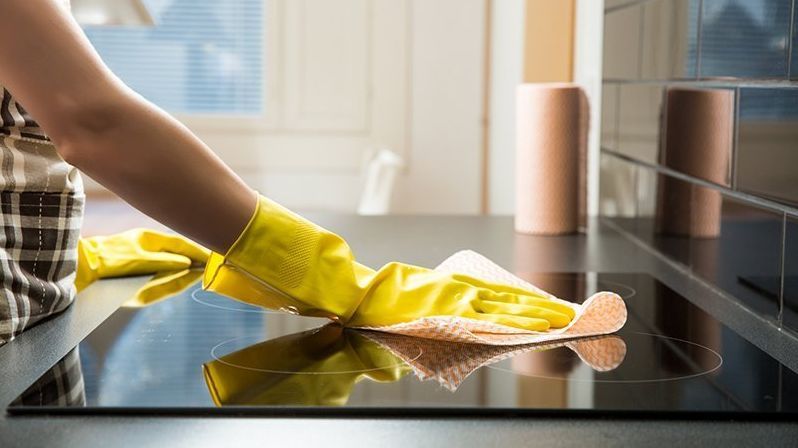
Sponges and cleaning cloths that are used for “just one more wipe” often hold onto moisture, food particles, and bacteria. Each swipe can spread germs from raw meat juices or dirty surfaces to supposedly clean areas like handles, appliances, and dining tables.
To reduce risk:
· Replace or sanitize sponges frequently
· Use separate cloths for bathrooms and kitchens
· Wash dishcloths and towels in hot water and dry them completely
Useful long‑tail keyword: “how to prevent cross contamination when cleaning kitchen surfaces”
Overusing Strong Disinfectants on Food Surfaces
It’s easy to think stronger products are safer, especially on kitchen counters. The catch: harsh disinfectants can leave residues that are not meant to come into contact with food. After disinfecting high‑touch areas like handles and knobs, rinse or wipe with clean water on food prep surfaces to minimize residue.
Hidden Hazard #3: “Fresh” Smells That Come With a Price
A home that smells like flowers or ocean breeze isn’t necessarily clean; it might just be heavily fragranced.
Synthetic Fragrances and Sensitive Lungs
Many candles, plug‑ins, sprays, and even “fresh‑scent” cleaners use synthetic fragrances that can irritate the lungs, eyes, and skin. People with asthma, allergies, or migraines are especially vulnerable to strong fragrances, even when the home is spotless.
Consider:
· Fragrance‑free or low‑fragrance versions of your favorite products
· Essential oil diffusers used sparingly and with good ventilation
· Baking soda for odor absorption instead of heavy perfumes
Long‑tail keyword: “fragrance free cleaning tips for allergy sufferers”
Hidden Hazard #4: Mold and Moisture in “Clean” Bathrooms
Bathrooms often look sanitized but still harbor mold in places you don’t always see—behind caulk, under mats, around windows, and inside vents.
Why Mold Is a Bigger Deal Than It Looks
Mold thrives in damp, warm, low‑light areas, and even a little patch can release airborne spores. These spores can:]
· Trigger coughing, wheezing, and shortness of breath
· Worsen allergies and asthma
· Cause sinus issues and chronic irritation in sensitive people
Regularly washing shower curtains, drying mats, and running exhaust fans after showers are simple ways to cut down on mold growth.
Long‑tail keyword: “how to spot hidden mold in a clean bathroom”
Hidden Hazard #5: “Clean” Carpets and Sofas Full of Allergens
Vacuum lines might say “clean,” but soft surfaces are magnets for dust, pet dander, pollen, and even bacteria.
Dust Mites, Pet Dander, and Your Lungs
Dust mites and pet dander love fabrics: carpets, rugs, upholstered furniture, and bedding. These microscopic particles can aggravate:
· Seasonal allergies
· Asthma symptoms
· Skin irritation and eczema
Deep‑cleaning carpets, washing bedding weekly in hot water, and using a vacuum with a HEPA filter can significantly reduce allergen levels.
Hidden Hazard #6: “Childproof” Homes That Overlook Chemical Storage
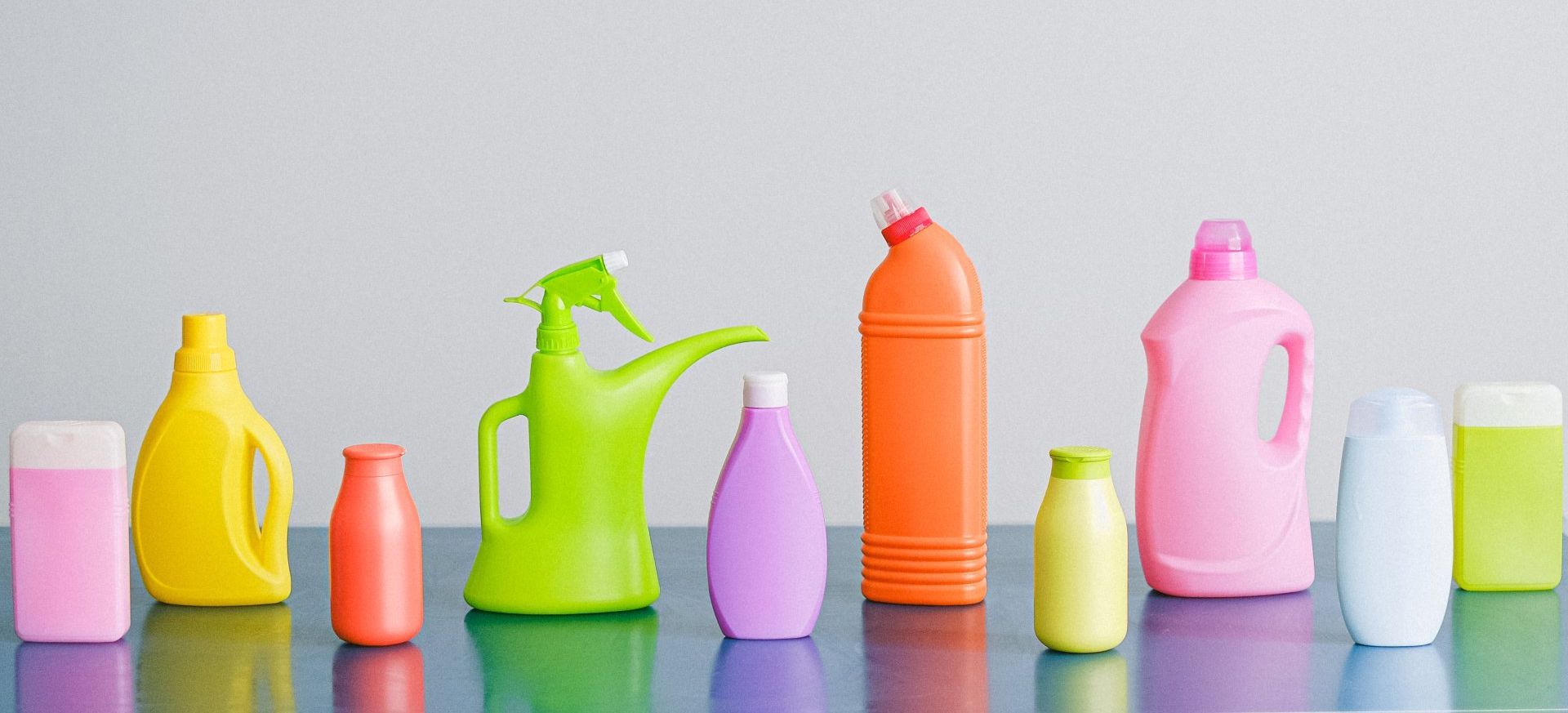
Many households keep a stash of powerful cleaners, oven sprays, and drain openers under sinks or in low cabinets that curious kids or pets can reach.
The Risk of Accidental Poisoning
Household cleaners are a major source of poisoning calls every year, especially involving young children. Concentrated products, single‑use cleaning pods, and brightly colored liquids can look like juice or candy to kids. Storing these items in high cabinets, using child locks, and keeping products in original labeled containers are simple ways to avoid accidents.
Safer Cleaning Habits for a Truly Healthy Home
You don’t have to throw out everything under the sink to have a healthier home. A few small changes can make a big difference in how your “clean” house actually feels.
Simple Swaps for Everyday Cleaning
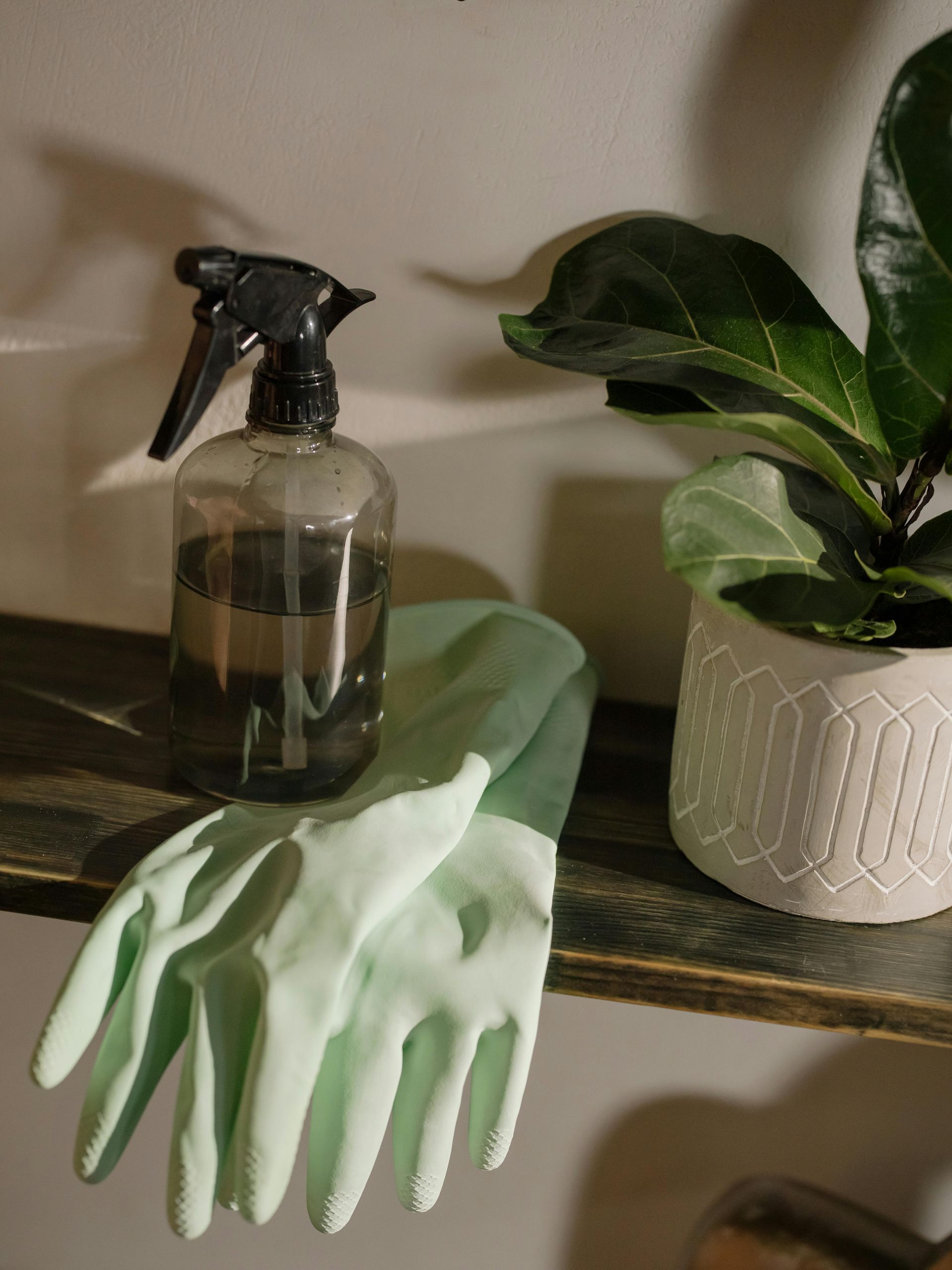
· Choose fragrance‑free or low‑VOC cleaners when possible.
· Open windows or run exhaust fans whenever you clean, especially with sprays or disinfectants.
· Rotate in gentler options like diluted vinegar or mild soap where appropriate (never mix vinegar with bleach).
Smart Long‑Tail Keywords to Target
Here are some ready‑to‑use long‑tail keyword ideas you can sprinkle into headings, FAQs, and body copy:
· “hidden health hazards in a clean home”
· “how to improve indoor air quality while cleaning”
· “natural alternatives to chemical disinfectants for families”
· “safe cleaning routine for homes with pets and children”